
The Women Healers of Imbabura Province Las mujeres curadoras de la provincia de Imbabura
Article Sidebar
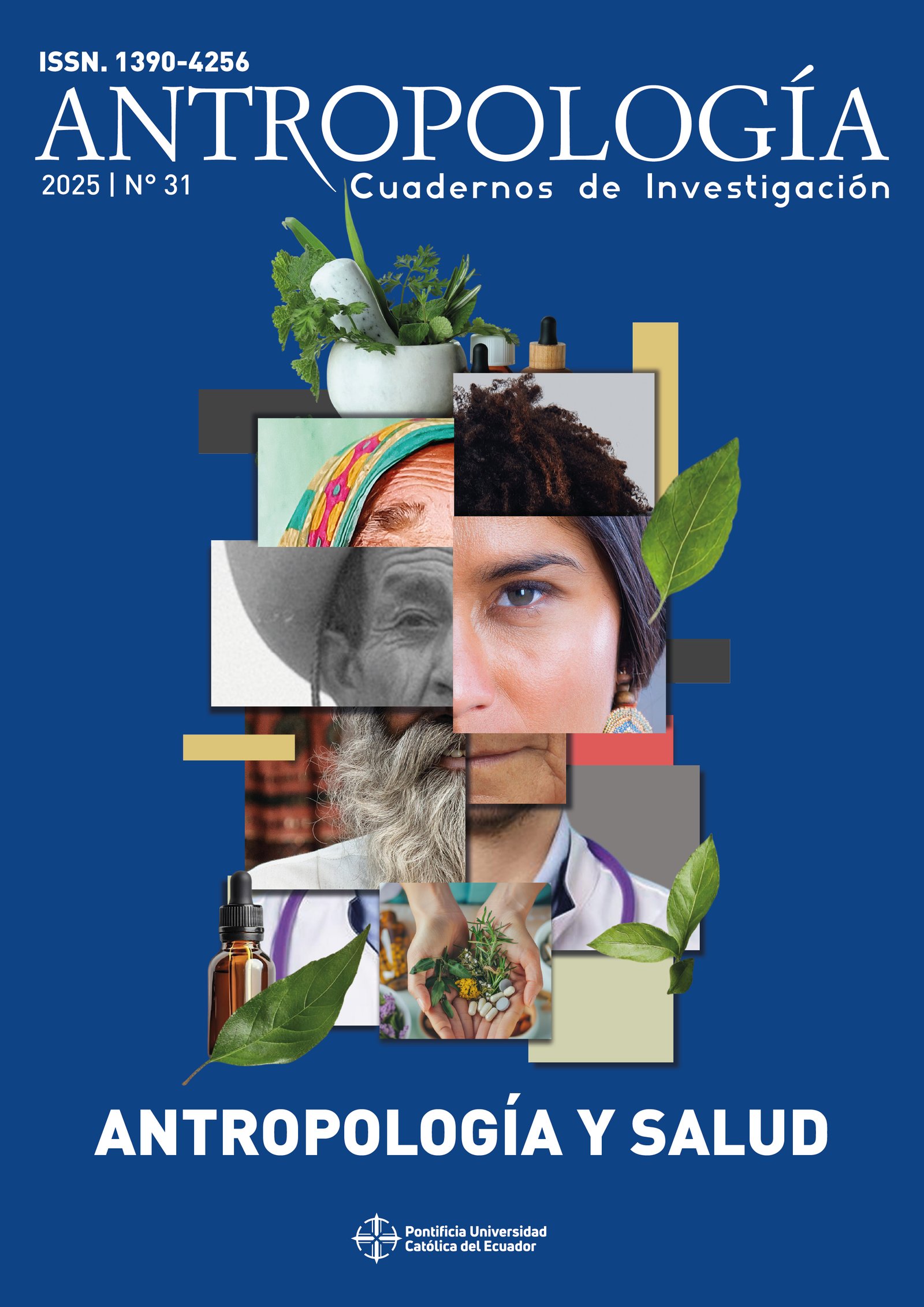
Main Article Content
Abstract
This study analyzes the fundamental role of female healers in the preservation and transmission of traditional medicine knowledge in the province of Imbabura, Ecuador. Through a qualitative ethnographic approach, the life trajectories and therapeutic practices of three representative women are examined. The research reveals a complex and hierarchical traditional medical system that distinguishes between yachaks, healers, and herbalists, each with specific specializations and methods. The analysis demonstrates how this knowledge is transmitted primarily through female lineages and networks of solidarity among women, incorporating syncretic elements that combine ancestral Andean knowledge with colonial Catholic practices. The findings evidence a sophisticated taxonomy of diseases that classifies ailments as “of God,” “of the countryside,” and “of the street,” each with differentiated etiologies and treatments. The study also documents the contemporary challenges these practices face, including cultural erosion and the decline of practitioners, as well as their persistent relevance in urban contexts and among populations of diverse socioeconomic strata. It concludes that female healers constitute a living heritage of knowledge that transcends the purely medical, functioning as repositories of cultural wisdom and networks of social support. The research contributes to understanding Andean traditional medicine systems from a gender perspective, highlighting the need for recognition and valorization of this knowledge for developing more integral and intercultural health models.
Article Details
Antropología Cuadernos de Investigación opera bajo licencia Atribución-CompartirIgual 4.0 Internacional (CC BY-SA 4.0). Esta licencia permite copiar y redistribuir el material en cualquier medio y formato, adaptarlo, transformarlo y construir a partir del material para cualquier propósito (incluso comercial) siempre y cuando se atribuya la autoría de manera adecuada, es decir, dar el crédito apropiado de autoría, proveer un link para la licencia e indicar si se realizaron cambios del contenido. Se pueden consultar todos los detalles aquí
Los derechos de autoría son de propiedad exclusiva de los autores y autoras sin ninguna restricción de su propiedad intelectual. Los autores y autoras están en libertad de difundir su artículo en cualquier otro medio, repositorio institucional, en un libro o revista, siempre y cuando se anote que el artículo fue publicado por primera vez en la Revista Antropología Cuadernos de Investigación, número, año de publicación, sección y número de páginas. El artículo puede ser depositado en dichos repositorios en cualquiera de sus versiones, ya sea en la versión enviada, aceptada o publicada.